April 27, 2026
Every successful construction project begins long before the first foundation is poured. The initial groundwork determines whether a build will stand the test of time or encounter costly setbacks. This is where proper site preparation becomes essential. From clearing land and grading soil to managing drainage and excavation, the process involves far more complexity than many property owners initially realize.
Attempting to handle preparing a construction site without professional expertise can introduce risks that affect safety, timelines, and long-term structural integrity. Skilled crews bring the experience, equipment, and regulatory knowledge needed to execute each phase with precision. Properly preparing a construction site creates a stable, reliable base that supports every step of construction that follows.
The Complexity of Preparing Land for Construction
Understanding Soil Conditions and Stability
One of the most critical aspects of site preparation is evaluating soil composition. Not all soil types provide the same level of support for structures, and failing to assess this properly can lead to shifting foundations or drainage problems later. Professionals conduct thorough analyses to determine whether soil needs to be compacted, replaced, or reinforced. This process ensures that the ground beneath a structure can handle its weight and resist environmental stress over time.
Beyond basic classification, professionals also account for moisture content, load-bearing capacity, and seasonal changes that can impact soil performance. These variables are often overlooked in non-professional assessments, yet they play a major role in how the ground behaves under pressure. By addressing these factors during preparation, contractors can prevent issues like soil expansion, contraction, and uneven settling that may otherwise compromise the project.
Managing Excavation and Heavy Equipment
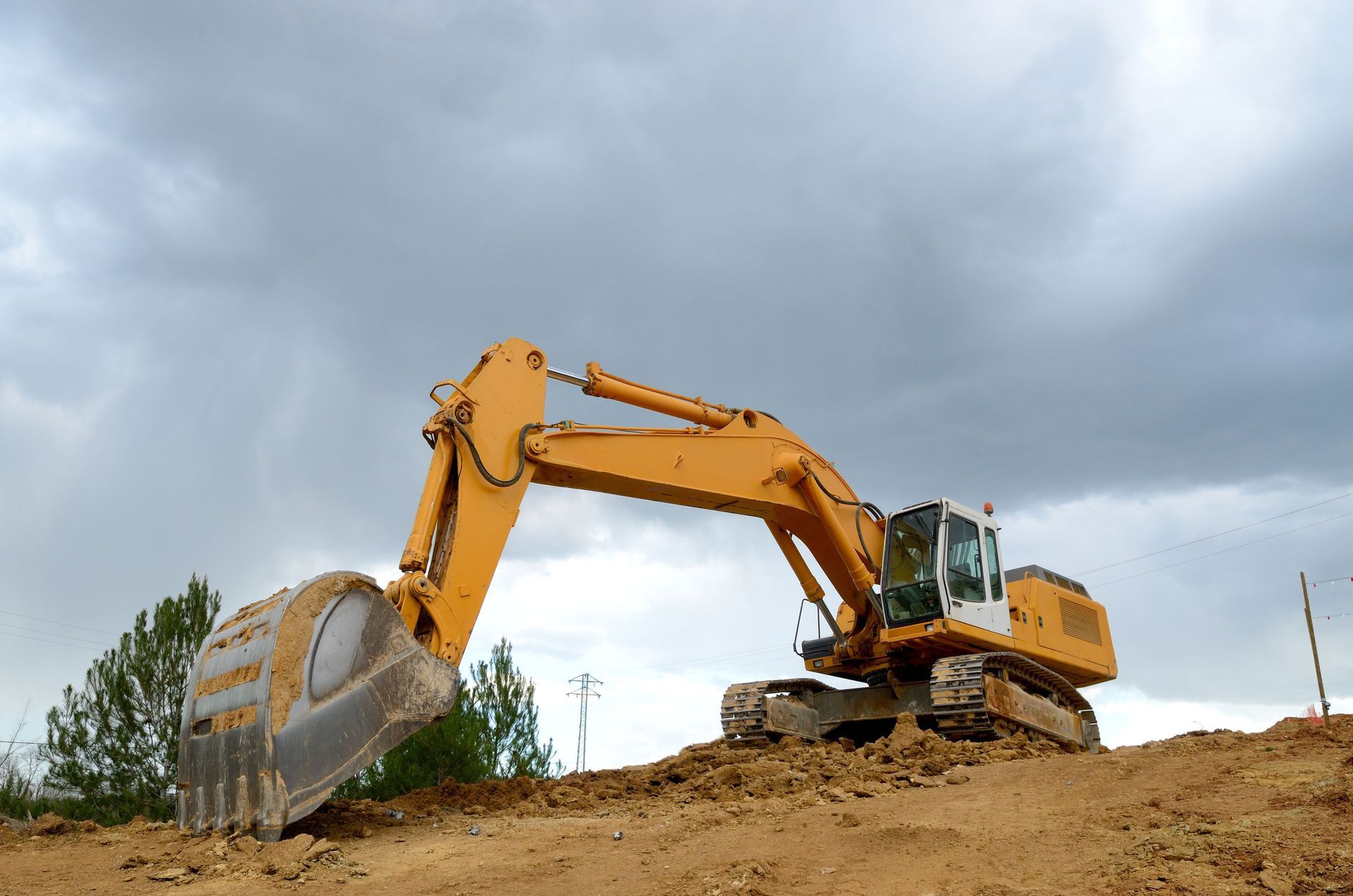
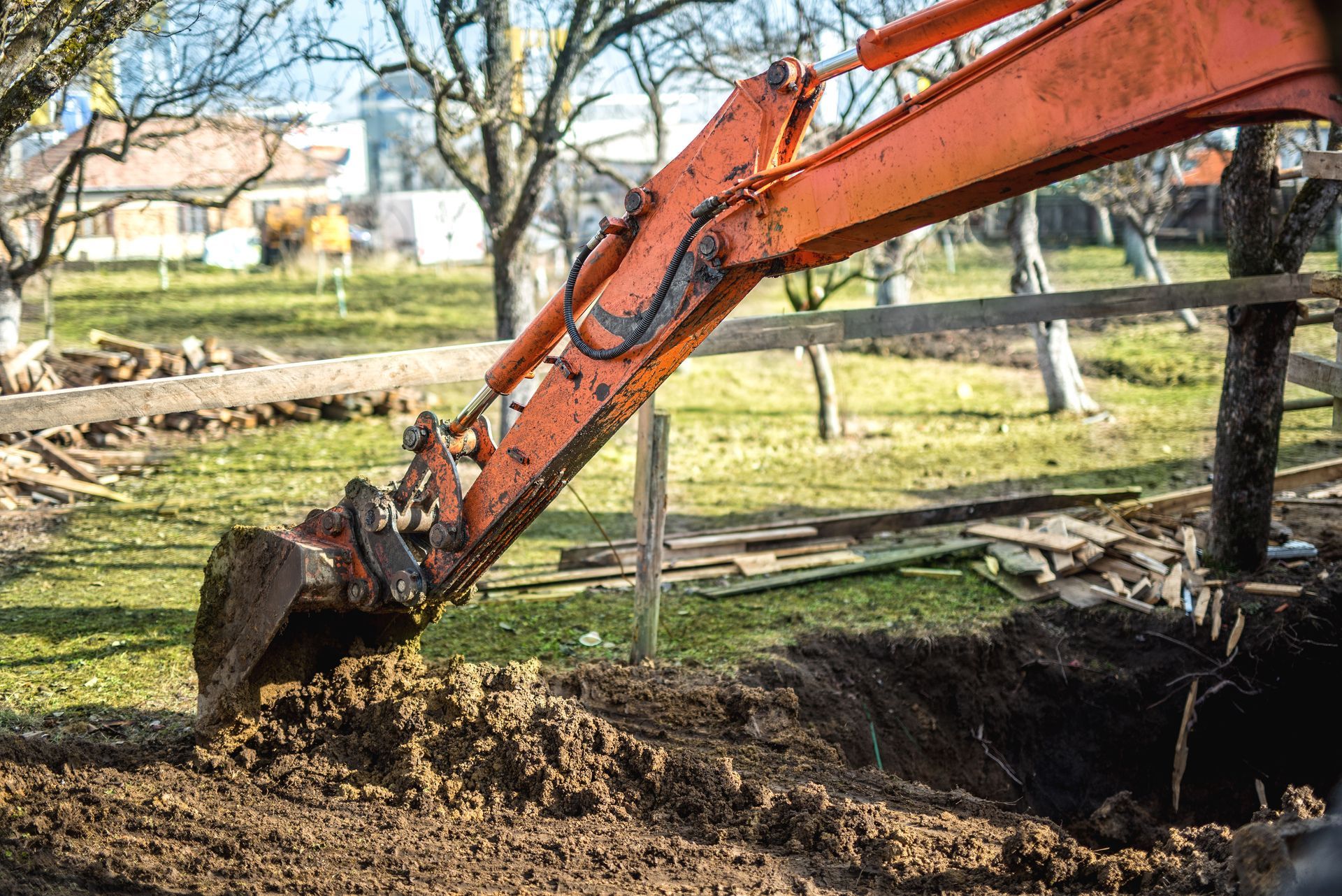
Excavation is not simply about moving dirt. It requires strategic planning, precise measurements, and the safe operation of heavy machinery. According to the Heavy Equipment Colleges of America, standard excavators used for general purposes can weigh anywhere from five to 25 metric tons. This highlights the scale and power of the equipment involved in preparing a construction site, underscoring why trained operators are essential. Improper handling can result in property damage, injuries, or uneven excavation that compromises the entire project.
In addition to handling equipment safely, professionals understand how to match machinery to the specific demands of a project. Different soil types, site sizes, and excavation depths require different tools and techniques. Using the wrong equipment can slow progress or produce subpar results. Experienced operators ensure that each phase of site preparation is completed efficiently and accurately, minimizing disruption and maximizing productivity.
Coordinating Multiple Preparation Tasks
Preparing a construction site is a multi-phase process that often includes land clearing, grading, trenching, and debris removal. Each task must be completed in the correct order and aligned with the overall construction plan. Professionals coordinate these elements seamlessly, ensuring that timelines are met and that no step is overlooked. This level of organization reduces delays and helps avoid costly rework.
Effective coordination also involves communication between different teams and stakeholders. Contractors must align their work with engineers, project managers, and inspectors to ensure consistency across all phases. This collaborative approach allows preparation to proceed smoothly, preventing missteps that could disrupt later stages of construction or require adjustments after the fact.
The Importance of Safety and Regulatory Compliance
Adhering to Local Building Codes
Construction projects are governed by strict local and state regulations. Site preparation must comply with zoning laws, environmental guidelines, and building codes. Professionals understand these requirements and ensure that all work meets the necessary standards. Failure to comply can result in fines, project delays, or even forced removal of completed work.
In addition to avoiding penalties, proper compliance ensures that the project meets safety and environmental expectations from the outset. Professionals stay up to date with evolving regulations and apply that knowledge during preparation. This proactive approach helps prevent complications during inspections and ensures that the project progresses without unnecessary interruptions.
Reducing On-Site Hazards
Construction sites are inherently hazardous, especially during the early stages of preparation. Uneven terrain, heavy machinery, and underground utilities all pose risks. Professional crews are trained to identify and mitigate these dangers before they become serious issues. They follow established safety protocols to protect both workers and the surrounding property.
Safety planning is not a one-time effort but an ongoing process throughout the site's preparation. Crews continuously monitor conditions, adjust workflows, and implement safeguards as needed. This vigilance helps reduce the likelihood of accidents and ensures that the work environment remains as controlled and secure as possible from start to finish.
Protecting Underground Infrastructure
Before excavation begins, it is crucial to locate and account for underground utilities such as water lines, gas pipes, and electrical systems. Damaging these systems can lead to significant repair costs and safety hazards. Professionals use specialized techniques and follow established procedures to identify and avoid these critical components during preparation.
Beyond initial identification, professionals also take steps to protect these systems throughout the duration of the project. This includes marking utility locations clearly, adjusting excavation methods when necessary, and coordinating with utility providers. These precautions help maintain uninterrupted services and prevent costly or dangerous incidents during construction.
The Long-Term Benefits of Professional Preparation
Ensuring Proper Drainage and Erosion Control
Water management is a key factor in maintaining the integrity of any construction project. Improper grading can cause water to pool around structures, leading to foundation damage and soil erosion. Professional site preparation includes carefully designed grading plans that direct water away from buildings and prevent long-term issues. This attention to detail helps preserve both the structure and the surrounding landscape.
Professionals also consider how weather patterns and natural water flow will affect the site over time. By anticipating heavy rainfall and seasonal changes, they can implement solutions that minimize erosion and maintain stability. This forward-thinking approach ensures that the site's preparation continues to deliver benefits long after construction is complete.
Supporting Structural Integrity
A properly prepared site provides a stable foundation that supports the entire structure. Without this stability, buildings are more susceptible to cracking, settling, and other structural problems. Professional preparation ensures that the ground is level, compacted, and ready to bear the load of construction materials. This reduces the likelihood of future repairs and extends the lifespan of the build.
In addition to creating a solid base, professionals verify that all preparation work aligns with engineering specifications. This includes checking elevations, load distribution, and soil compaction levels. These precise measurements ensure that the finished structure performs as intended, maintaining its strength and durability over time.
Improving Project Efficiency and Cost Control
While it may seem cost-effective to cut corners during site preparation, doing so often leads to higher expenses later. Mistakes made during the early stages of construction can require extensive corrections, delaying the project and increasing costs. Hiring professionals from the outset helps streamline the process, keeping timelines on track and minimizing unexpected expenses. Their expertise allows for accurate planning and efficient execution, which benefits the entire project.
Professionals also help control costs by anticipating potential challenges before they arise. Through careful planning and resource management, they can avoid delays, reduce material waste, and keep the project within budget. This level of foresight is difficult to achieve without experience, making professional preparation a valuable investment.
Ultimately, site preparation is one of the most critical phases of any construction project, yet it is often underestimated. The complexity of the work, combined with the need for specialized equipment and regulatory compliance, makes it a task best left to experienced professionals. From assessing soil conditions to managing excavation and ensuring proper drainage, every detail plays a role in the success of the build. If you're interested in professional and reliable construction site preparation, be sure to contact Axe & Grace Enterprise LLC!